Showing posts with label 'For the Love of Food'. Show all posts

Thursday, 15 August 2013

Cashew Loaf with Pumpkin Stuffing and Chocolate-Chilli Gravy


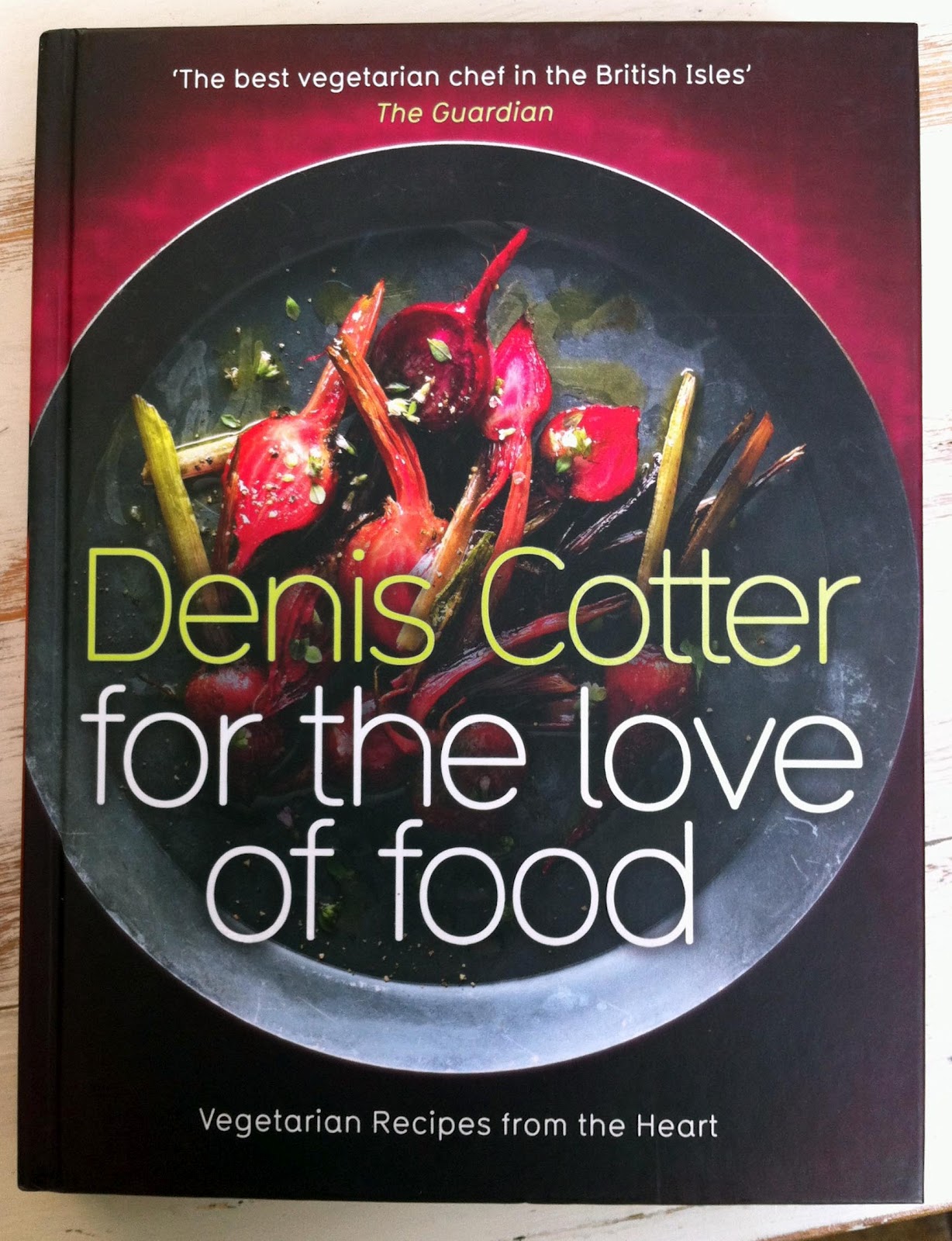
From For the Love of Food, Denis Cotter, Collins, 2011.
I guess nut loaves were fashionable in the 70s and became associated with vegetarians and soon got a bad name because they were often not overly tasty. So I hesitated before I made this one but I usually enjoy Denis Cotter’s recipes so thought it was worth a try.


There were basically three parts to it: the cashew nut base, the pumpkin filler and the sauce.
The base was made with 500g roasted cashews blitzed until fine. This was mixed with a cooked parsnip that had been mashed. Into this also went a white onion sautéed with 3 garlic cloves, two chopped celery sticks, a little ground sage, some fresh thyme leaves, a teaspoon ground cumin and a good pinch of cayenne pepper. When they had softened, 100ml white wine was added and brought to the boil. This all then went into the cashew mix. The mixture was stirred together and breadcrumbs added with salt and pepper. It became quite a firm but moist mixture. A beaten egg was added and stirred in. The basic mixture was ready.

The filling was made by roasting 200g butternut pumpkin. A chopped leek was fried until softened in a little olive oil. Now some grated ginger, zest and juice of half a lemon was added with the roasted pumpkin. These were stirred for a couple of minutes to make the pumpkin break up into a mash with the leek. Some breadcrumbs were added to thicken it all a little.
Now the loaf could be put together. In a loaf tin lined with baking paper half of the cashew mix was pressed in. The pumpkin mixture went over this and was then covered with the remainder of the cashew mix. It went into a 170ºC oven for about an hour.

The sauce was made by sautéing a chopped red onion, half a red capsicum, a chopped celery stick, 4 garlic cloves, a chopped red chilli and a chopped chipotle chilli. After about 10 minutes when they had softened, 1 teaspoon dried Mexican oregano, 2 teaspoons ground cumin and ground coriander, and 1 teaspoon ground allspice went into the pan for a minute or two more. A can of tomatoes and 1 tablespoon tomato puree were added with 200ml red wine and 500ml vegetable stock. They were simmered for about an hour then passed through a sieve. At serving time 25g dark chocolate and 40g butter were added. This made a richly flavoured, Mexican style mole, though far too much sauce for the loaf. I used some later to add some flavour to a leek and chickpea soup.
The loaf was sliced and served with the sauce. It was, of course, nutty and a little heavy though the sauce tended to lighten it somewhat. I especially enjoyed the sweet pumpkin filling. It was the sauce that made the loaf. It was rich in an overlay of various tastes, spicy, smoky, chilli heat though the chocolate seemed to have disappeared into it. Perhaps I would up the quantity a little next time.
Taste: ✔✔✔
Ease of cooking: ✔✔

Friday, 8 February 2013

Pappardelle with Brussels Sprouts, Leeks and Truffle Cream


From For the Love of Food, Denis Cotter, Collins, 2011.

I still had leeks to use up and a quick search located the interesting mix of ingredients for this pasta dish.

A leek was cut in half and sliced thinly. About 200g of Brussels sprouts were sliced thinly. A couple of garlic cloves were sliced. They all went into a frying pan with a knob of butter to sauté.


Meanwhile a large saucepan of salted water was put on to bring to the boil.

The vegetables became nicely softened after about 5–10 minutes and 100ml white wine was added to cook for a couple of minutes.


The water was now boiling so the pappardelle was added.

About 200ml of cream now went into the frying pan and was brought to the boil at which stage some grated Parmesan cheese, some freshly grated nutmeg, a little truffle oil and salt and pepper were stirred in.

The pappardelle was ready. It was drained and some placed into individual serving plates. The vegetable mix with the sauce was added on top.

The sauce was creamy and savoury while the vegetables still had a little bit of bite left to them. While I am a fan of Brussels sprouts I’m not that sure that I fully enjoyed them in this form as much as I usually do. The meal was appreciated but it’s not one that I would race back to make.

Taste: ✔✔✔
Ease of cooking: ✔✔✔✔

Tuesday, 18 September 2012

Potato Crêpes of Asparagus and Brie with Warm Beetroot and Puy Lentil Salsa


From For the Love of Food, Denis Cotter, Collins, 2010.

I always approach a new Denis Cotter recipe with a lot of anticipation. They sound so good. However, I don’t always find that they match my expectation. That’s the case with this recipe. Some, such as a cauliflower risotto or Lucy’s breakfast sausages, turned out wonderfully but others have been a little disappointing. This could, of course, be the result of my cooking.

The crêpe mixture for this one was the usual with the addition of mashed potato, sour cream, cayenne pepper and chives. This was left in the fridge while other elements were prepared.

Asparagus was boiled for a few minutes until it was tender, about 3 minutes. It was then drained and cooled.


I dispensed with the idea of the tarragon butter as fresh tarragon was unavailable. A little melted butter would I hope do the trick.

Puy lentils were put on to cook with a little thyme and garlic. The amount of water called for was just not sufficient to cook the lentils in and extra had to added several times. When they were done, there was no need to drain the lentils as there was no water left. A diced cooked beetroot was added with sliced spring onions, some maple syrup and a little balsamic vinegar.


While the lentils were cooking the crêpes were made. Each crêpe had Brie pieces placed across the centre, asparagus was laid across this, and the crêpe was rolled up. Some melted butter was dribbled over these and they went in the oven to warm them through and melt the Brie.

They were then ready to serve with the lentil salad.

While this turned out to be a reasonable dish it was no real winner for me. I did enjoy the potato crêpes though. There were some left over and I had them the next day adding a variety of whatever I could find from the fridge and thoroughly enjoyed them.

Taste: ✔✔✔
Ease of cooking: ✔✔✔

Sunday, 22 July 2012

Leek and Wasabi Mash with Oyster Mushrooms and Choi in Coconut Tamarind Sauce


From For the Love of Food, Denis Cotter, Collins, 2011.

One of the selling points for me in this book was that it had a whole section of recipes for mash. And these mashes were all of somewhat exotic sounding names, like this particular one for leek and wasabi mash and accompaniments. I could not resist a book which had such a variety of mash dishes.

To begin the leek was chopped and sautéed in butter until tender. One teaspoon of wasabi powder was mixed to a paste in a little milk. The potatoes were steamed and mashed with warmed milk and melted butter. Then in went the leeks and the wasabi paste. That was the mash done.

For the accompaniment part of the recipe some tamarind pulp was soaked in a little boiling water. It was left to soak and then pushed through a strainer to separate the pulp from the liquid. The tamarind water was kept and the pulp binned.


Oyster mushrooms were now fried in butter for a couple of minutes. In went some bok choi cut into quarters and a very small amount of grated ginger. These were fried until the bok choi were tender. To finish, the tamarind water was added with coconut milk and a little soy sauce.

It was served in pasta bowls with the vegetable mixture alongside the mash.


I found that this did not come together totally as a whole dish. The flavours did not meld well for my palate. It would seem from the short introduction to the dish that Cotter was trying to make a mix work. I don’t feel that it was completely successful. Using an Asian noodle dish and then substituting mash for the noodles did not really work despite Cotter’s efforts to make the mash and sweetness of the coconut milk meld by the addition of the sourness of tamarind. It was quite edible but not something that I would make again. Better luck with the next mash dish I try.

Taste: ✔✔✔
Ease of cooking: ✔✔✔

Tuesday, 22 May 2012

Roast Pumpkin Soup with Chickpeas, Leeks and Spiced Croutons


From For the Love of Food, Denis Cotter, Collins, 2011.

My son brought along one of the pumpkins he had grown so I immediately set off looking for recipes. Pumpkin and chickpeas are always a great partnership so I set off to make this soup.

The pumpkin first had to be roasted. It was cut into a couple of large slices that were then brushed with olive oil and set in a baking dish. About a cup of stock was poured into the baking dish and the pumpkin was cooked for about a half an hour.

In a large saucepan the other vegetables were cooked. One half of a fennel, chopped, was sautéed with some chopped shallots for a few minutes. Chopped garlic was then added with grated ginger (I only used half the quantity because I usually find ginger is overdone), leeks (I only used 2 though the recipe called for 3 and even then it seemed far too much) and a can of chickpeas. These were sautéed for a few minutes before white wine was added. The whole lot was covered with baking paper and simmered for 15 minutes.


The cooked pumpkin was cut into a rough mash that still maintained some larger lumps and added to the vegetables in the pot. Further stock was added, it was the brought to the boil and simmered for a few minutes longer. It was then seasoned and some lemon juice added.

The soup was served with spiced croutons that had been made by chopping bread into small blocks and tossing them in an oven dish with ground cumin, ground fennel, crushed dried chillies and olive oil. These were cooked in the oven until they were crisp.

This was a thick soup that was a meal in itself. The ginger still came through a little strongly even though cut back to half the quantity. If I made it again I would cut back the leeks to one and leave out the ginger altogether, or at least cut it back much further. The soup, like many of the thicker soups, was much nicer the next day when the flavours had all matured.

The croutons turned out, for me, to be the hero of the dish and the spiciness and heat lifted the soup tremendously.

Taste: ✔✔✔
Ease of cooking: ✔✔✔

Wednesday, 9 May 2012

Salad of Watercress, Quince, Glazed Pecans and Goat’s Cheese with Citrus Dressing


From For the Love of Food, Denis Cotter, Collins, 2011.

I was not sure about making this salad; it seemed to me to be an unusual mix of ingredients. But I’m glad I tried it.

The quince had to be cooked. It did not take over long to be simmered in some sugar and water before it became soft.


The glazed pecans took a little more effort. The oven had to be preheated to 130°C. While this was warming some caster sugar and a teaspoon of maple syrup were heated in a saucepan until the sugar had melted. The pecans were then stirred in and then spread out on some baking paper on an oven tray. They were baked for 20 minutes then taken out and left to cool. They became quite crisp.

The dressing came next. This was made with the zest and juice of an orange, the juice of a lemon, and some olive oil. The recipe called for a small amount of hazelnut oil but I dispensed with this as I had none.

The salad was then put together, watercress, crumbled goat’s cheese, the sliced quince and the pecans. It was then dressed.

The unusual mix worked really well. The sweet quince against the creamy cheese and the peppery watercress, together with the crunch and sweet nuttiness of the pecans, was a truly fresh salad.

This book is a pleasure to work with for it continually surprises and delights.


Taste: ✔✔✔✔
Ease of cooking: ✔✔✔

Monday, 7 May 2012

Leek and Cauliflower Risotto with Chilli Walnut Crumbs and Fried Capers


From For the Love of Food, Denis Cotter, Collins, 2011.

To begin, the chilli walnut crumbs were made ready. The ingredients (2 slices of not-fresh bread, some dried chillies—sufficient to suit your hot taste—2 tablespoons of walnuts and the same amount of chopped parsley) were churned in a food processor to crumb them. This was then fried in a small amount of olive oil until crisp and golden.

I tried to fry some capers to make them crisp but I couldn’t seem to crisp them up. They were fried, certainly, but still soft.


The cauliflower was then broken up into small florets and the stem section cut into small dice. A leek was sliced thinly and some garlic was chopped. A pot of stock was put on to simmer gently.

A goodly sized frying pan was put on to heat a couple of tablespoons of olive oil. The leek, cauliflower stem and garlic was sautéed for about 5 minutes. The rice was added and sautéed for another 5 minutes. White wine, about 100 ml, was added and stirred until it had almost all been absorbed. Some hot stock, about a cup, was added then and stirred until it had almost all been taken up by the rice. Then another cupful was added. This was continued, adding stock and stirring until absorbed until the rice was cooked.

At the same time as this was happening, in another pan some butter and little olive oil was heated and the cauliflower florets sautéed in this until they were cooked. When the rice was cooked this was stirred in together with a little more butter, grated Parmesan cheese and seasonings to suit.

The risotto was placed into serving bowls. The capers were placed around the edge. The walnut crumbs were scattered over the top and a little bit more grated Parmesan over this.

This was a wonderfully tasty risotto. The creamy rice with its bites of fried cauliflower was spiced by the crunchy crumble and every so often you caught a bite of the vinegary tang of the capers.

I look forward to exploring the whole section of risottos in this book.

Taste: ✔✔✔✔
Ease of cooking: ✔✔✔

Sunday, 6 May 2012

Scrambled Eggs with Avocado, Coriander and Chilli with Grilled Bread


From For the Love of Food, Denis Cotter, Collins, 2011.

Scrambled eggs are so good that I can’t see why they seem to be reserved for breakfast. When you are only half awake this is no time to properly enjoy them. I like to have them as part of an evening meal so I can fully appreciate them.


This recipe for scrambled eggs calls for them to have some finely chopped coriander and green chilli beaten into them with a small amount of milk and a little melted butter.

While the eggs are cooking slowly, brush some bread with olive oil and place it on a griddle to brown. Also cut up an avocado into slices and roll them gently in some olive oil and a little lemon juice. Season them.

And it’s ready. I served them with Lucy’s breakfast sausages and a big helping of spicy tomato chutney. A perfect breakfast for an evening meal.


Taste: ✔✔✔✔
Ease of cooking: ✔✔✔✔

Thursday, 3 May 2012

Spiced Tomato Chutney


From For the Love of Food, Denis Cotter, Collins, 2011.

To go with Lucy’s sausages, the author supplied a recipe for this tomato chutney. It was the simplest of recipes to follow: just put all the ingredients in a saucepan, bring to the boil and simmer for an hour or more until the mixture is thick. Take out the cinnamon stick, cool and bottle. What could be easier?

The ingredients: an onion chopped, chopped garlic cloves, 1 red capsicum chopped, a chopped red chilli, 500 g of chopped tomatoes, 225 ml of white vinegar, 175 g of soft brown sugar, 50 g of raisins, 1 teaspoon of black mustard seeds, 1 teaspoon of smoked paprika, 1 cinnamon stick.


This went wonderfully with the sausages—and, consequently, with several other meals, including on biscuits with cheese.


Taste: ✔✔✔✔✔
Ease of cooking: ✔✔✔✔✔

Wednesday, 2 May 2012

Lucy’s Breakfast Sausages


From For the Love of Food, Denis Cotter, Collins, 2011.

I picked up For the Love of Food in the bookshop and, after a quick flip through the pages, turned to the contents page. That itself was basically enough to convince me that I had to have this book. It had a whole section on risottos and, what was even more exciting, a section on mash. I love potatoes, especially mash, so a collection of mash recipes sounded totally inviting.

However, the first dish I settled for when delving into this book was to make sausages. These were sausages that came from a recipe of Lucy Stewart of Café Paradiso in County Cork.

I began by cooking fresh chestnuts (which was not actually suggested by the book where they recommend using pre-cooked vacuum-packed chestnuts to save a bit of time). So I was hampered at the beginning by the slow process of digging out the contents of the chestnut shells. Once I had this it was pureed in the food processor.

This was added to a bowl with all the other ingredients: mashed firm tofu, a grated onion, chopped sage and rosemary, some grated strong cheddar cheese, soy sauce, lemon juice, chilli powder and a beaten egg. These were all mixed together to make a reasonably firm mixture. Hands seemed to be the ideal tool for this. Now breadcrumbs were added, just sufficient to make a consistency that would hold. The sausages were then shaped and put into the freezer. It was suggested that they cook better if they came straight from the freezer to the frying pan.


The sausages were then fried in a little butter and olive oil. I had a little difficulty at this stage for they tended to want to stick to the pan and lose some of their crisp edge as they were turned. However, despite the slightly messy look they were excellent to eat. I was glad I had made a quantity and stored the extra in the freezer.

A couple of days later I thought I would try them again. This time I rolled them in flour, then egg, then breadcrumbs to make crumbed sausages and the result was perfect. I’ll always crumb them in future.


These were a great find for they do appear to store well in the freezer and, while not real sausages, they are a really close alternative. It’s great to have them as a standby waiting in the refrigerator.

Taste: ✔✔✔✔
Ease of cooking: ✔✔✔✔